

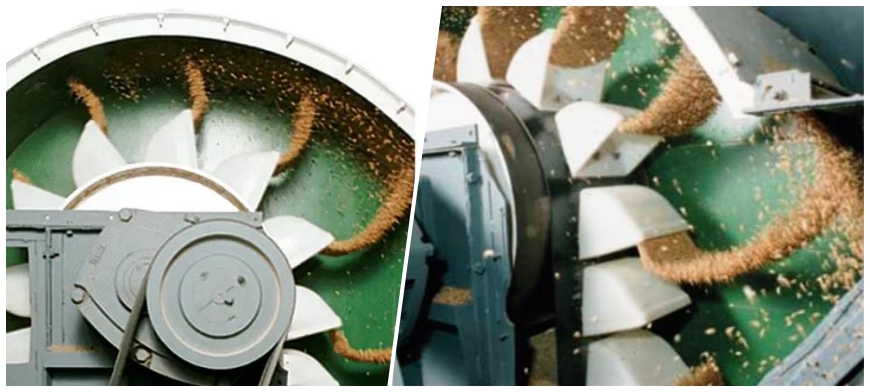
In the world of bulk material handling, the efficiency of your vertical conveyance system is only as strong as its weakest link. For industries ranging from agriculture to heavy mining, the elevator bucket is the heart of the operation. Choosing the right bucket doesn’t just improve throughput; it reduces energy consumption, minimizes product breakage, and extends the lifespan of your entire elevator system.
At Bohui Intelligent Manufacturing, we leverage over 20 years of manufacturing excellence to provide high-performance solutions. This guide explores everything you need to know about selecting, maintaining, and optimizing elevator buckets for your facility.
1. Understanding Elevator Bucket Types and Materials
The first step is identifying the correct material for your specific application. Material science has evolved, offering options that balance durability with cost-effectiveness.
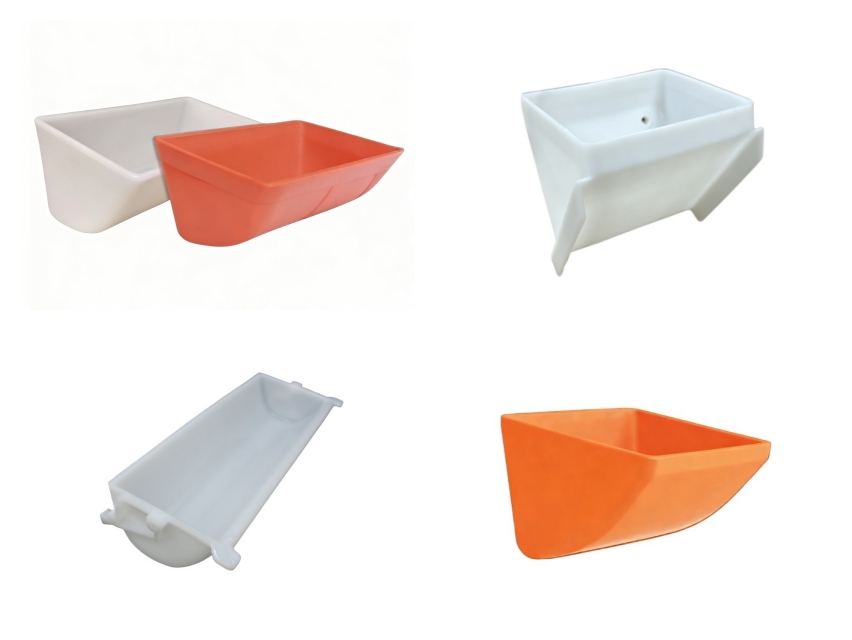
Plastic & Polymer Buckets
- HDPE (High-Density Polyethylene): The industry standard for grain and food products. It is lightweight, flexible, and resists buildup.
- Nylon: Ideal for abrasive materials or high-temperature environments. Nylon buckets offer superior impact resistance.
- Polyurethane: Best for extremely abrasive materials like glass cullet or sharp aggregates due to its “memory” and wear resistance.
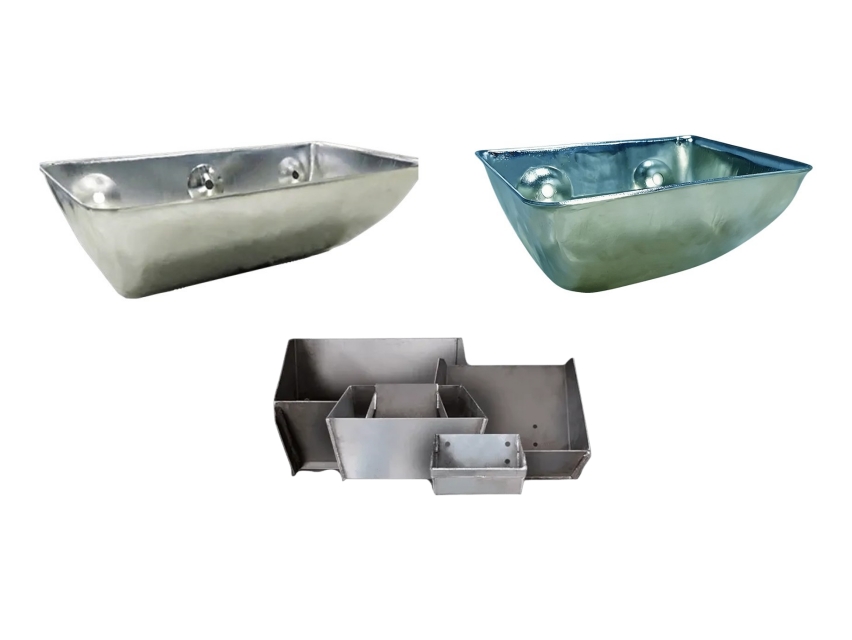
Metal Buckets
- Carbon Steel: The go-to for heavy-duty industrial applications.
- Stainless Steel: Essential for food-grade applications or highly corrosive chemical environments.
2. Key Features of High-Performance Buckets
- Tapered Bottoms:Allows for nested shipping (saving freight costs) and ensures a clean discharge of materials.
- Reinforced Front Lips: The “digging” edge of the bucket is the most prone to wear. Reinforced lips extend the service life significantly.
- Ventilation Holes: For high-speed grain elevators, air can get trapped in the bucket, causing “puffing” and inefficient filling. Custom drill patterns allow air to escape, ensuring a 100% fill-rate.
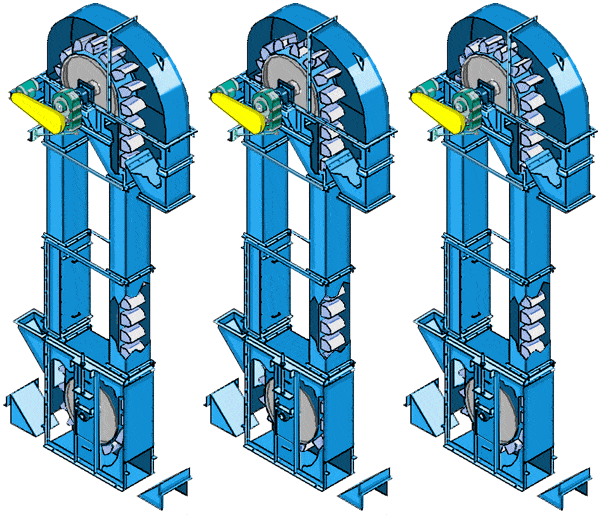
3. Centrifugal vs. Continuous Discharge Systems
Centrifugal Discharge
These elevators operate at high speeds. The material is thrown out of the buckets by centrifugal force as they pass over the head pulley.
⭐Best for: Grain, sand, and free-flowing materials.
⭐Bucket Style: Deep-profile buckets with rounded bottoms.
Continuous Discharge
Operating at lower speeds, these buckets are spaced closely together. The material flows over the back of the preceding bucket, which acts as a chute.
⭐Best for: Fragile materials, heavy/sluggish products, or highly abrasive materials.
⭐Bucket Style: V-shape or “Super Capacity” styles.
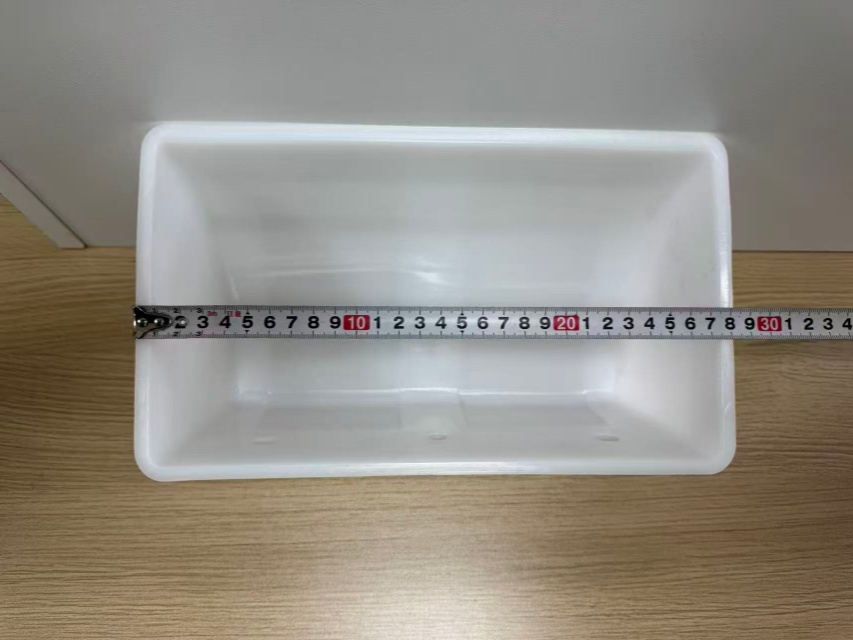
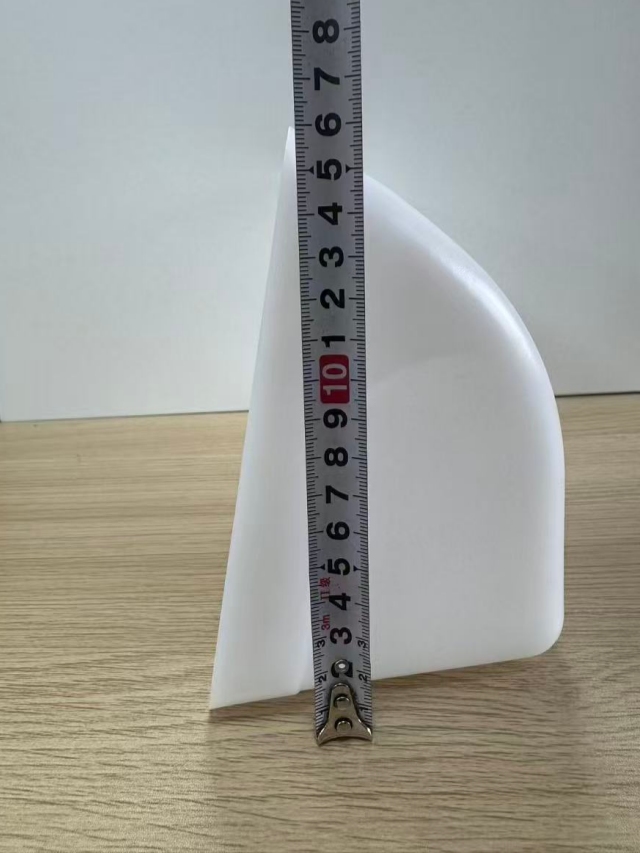
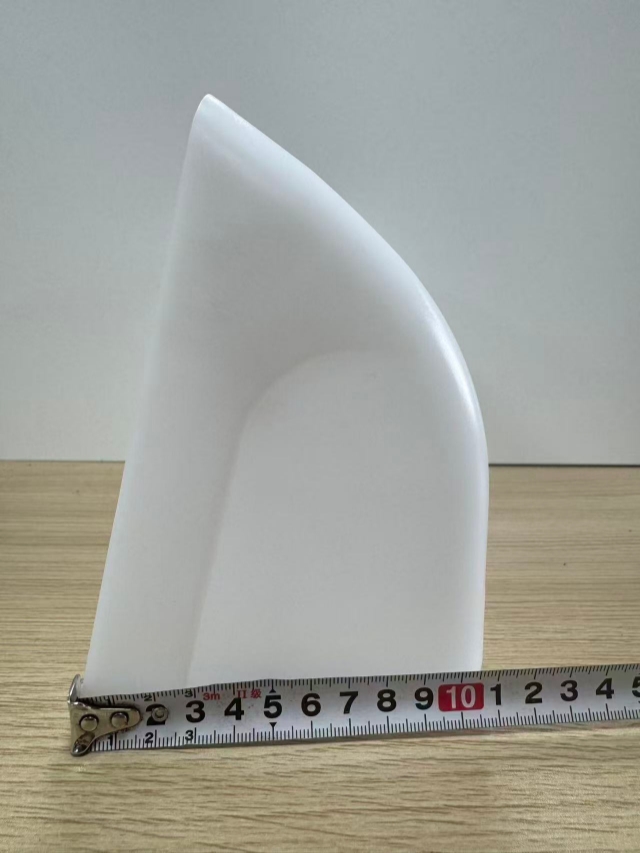
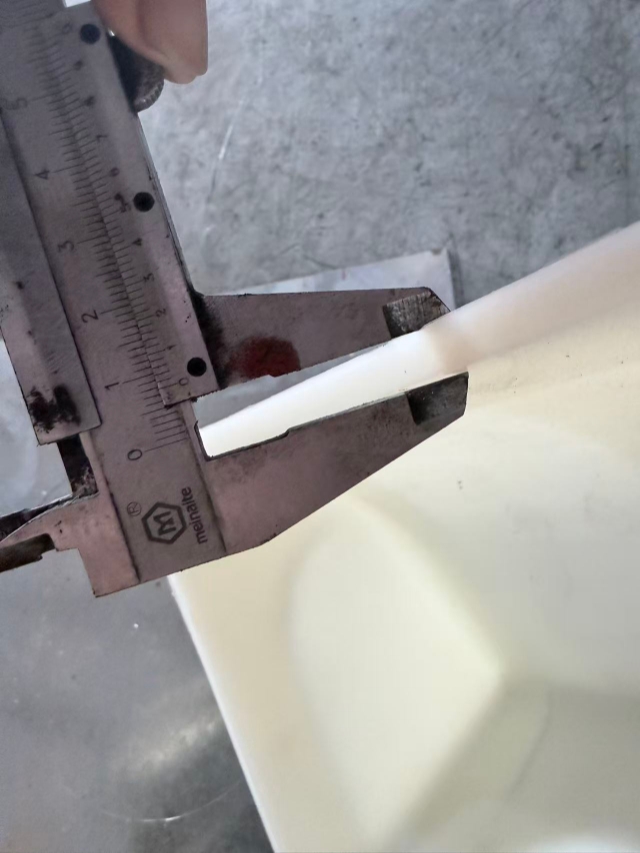
4.How to Measure an Elevator Bucket Correctly
Front View
- A: Bucket Total WidthThe overall horizontal length of the bucket, also the total width of the mounting face. It determines the bucket’s lateral space inside the elevator casing.
- D: Mounting Flange HeightThe vertical height of the bucket’s top mounting flange, which is the part fixed to the elevator chain or belt.
- E: Half Center-to-Center Distance of Mounting HolesThe horizontal distance from the center line to each outer mounting hole. The full pitch between the center hole and each outer hole is 2×E, used to match the elevator’s installation hole positions.
Profile View
- B: Bucket Projection:The horizontal depth from the mounting face (Point X) to the bucket’s foremost tip (Point Y). It defines the front-to-back space available for material holding.
- C: Bucket Depth:The total vertical height of the bucket’s mounting face (from the bottom to Point X), i.e., the maximum height of the bucket back.
- X: Top Point of Mounting FlangeThe upper vertex of the bucket’s mounting flange, serving as the reference point for the mounting face.
- Y: Bucket Lip TipThe foremost point of the bucket, where the bucket scoops material. It is also the reference point for measuring bucket depth B.
- Z: Effective Volume Reference Line
A reference height for calculating the bucket’s effective volume. In industry practice, the actual usable capacity is typically measured relative to Point Z (material does not usually fill up to Point X).

5.Optimizing Capacity and Throughput
Many companies make the mistake of overfilling buckets. For maximum efficiency, consider the Water Level Capacity vs. the Actual Yield.
Filling Efficiency: Aim for 75% to 90% filling to prevent spillage and mechanical strain.
Belt Speed Alignment: If your belt moves too fast for your bucket type, you will face “back-legging,” where material falls back down the return side of the elevator, causing massive energy waste.
6.Installation Best Practices
A perfect bucket installed poorly will fail. Follow these steps for a secure setup:
Use the Right Bolts: Always use specialized “fanged” or “large-head” elevator bolts to prevent the bucket from pulling through the belt.
Torque Consistency: Uneven tightening can cause the belt to mistrack.
Spacing: Ensure the vertical distance between buckets (the “pitch”) is optimized for the discharge type.
7. Industry Applications: From Farm to Factory
Elevator buckets are versatile components used across various sectors:
- Agriculture: Moving corn, wheat, soybeans, and rice without damaging the husk.
- Cement & Construction: Handling heavy limestone and clinker.
- Biofuels: Moving wood chips and pellets for renewable energy production.
- Chemicals: Using non-sparking plastic buckets to handle volatile powders safely.
8. Maintenance: Extending the Life of Your Components
Regular inspections can prevent catastrophic downtime. We recommend a monthly check-list:
1. Wear Patterns: Check the front lip. If it’s worn down by more than 20%, capacity is dropping.
2. Bolt Tightness: Check for loose fasteners that could cause a bucket to detach and jam the boot.
3. Buildup: In humid environments, material can cake inside the bucket. Clean buckets ensure full capacity.
9. Why Choose Us?
With over two decades in the grain handling industry, Bohui Intelligent Manufacturing understands that every millimeter matters. Our products are engineered to meet international standards, ensuring compatibility and durability.
Precision Engineering:Every bucket is molded or fabricated to exact tolerances.
Global Export Expertise: We understand the logistics of getting industrial parts to your site quickly and safely.
Technical Support: Our team doesn’t just sell parts; we help you design more efficient systems.
10. Conclusion: Elevate Your Business
Investing in high-quality elevator buckets is an investment in your facility’s future. By reducing downtime and increasing throughput, the right bucket pays for itself within months.
Ready to upgrade your system?
Visit www.bhconveyor.com to view our full catalog of elevator buckets, belts, and spare parts. Contact our technical team today for a quote and expert consultation.
Need a Similar Product?
Send us your specifications or requirements — our engineers will review and get back to you within 24 hours.
Request a Quote
Tell us your requirements and we will get back to you within 24 hours.
Message Sent!
We will get back to you within 24 hours.
Comments (4)
Laura Bennett
August 18, 2026Nội dung hay và thực tế. Letco là đơn vị du học Hàn Quốc giàu kinh nghiệm, đồng hành cùng học viên từ A-Z. Ghé letco.vn để được tư vấn miễn phí.
Rachel Green
August 20, 2026Quick tangent, hope that’s OK. There’s a job board over at https://ietn.zh-global-panda.com/ that I keep recommending. It collects vacancies across nearly every city, and the handy bit is how clean it is. Thought I’d share in case it helps!
Megan Ward
August 21, 2026Couldn’t agree more with this! This actually ties into something. There’s a job board over at https://ywjn.rolestream.shop/ that I keep recommending. It aggregates fresh positions daily, and the handy bit is how clean it is. Thought I’d share in case it helps.
Sarah Miller
August 24, 2026Good stuff, learned a lot. Also check out gighaven.shop for a different angle on it.